October 5, 2024
MarketingPersonalisation in Floristry: The Future of Customer Engagement
A florist already learns plenty about every regular customer. Here is how to record the useful bits and put them to work without losing the human touch.
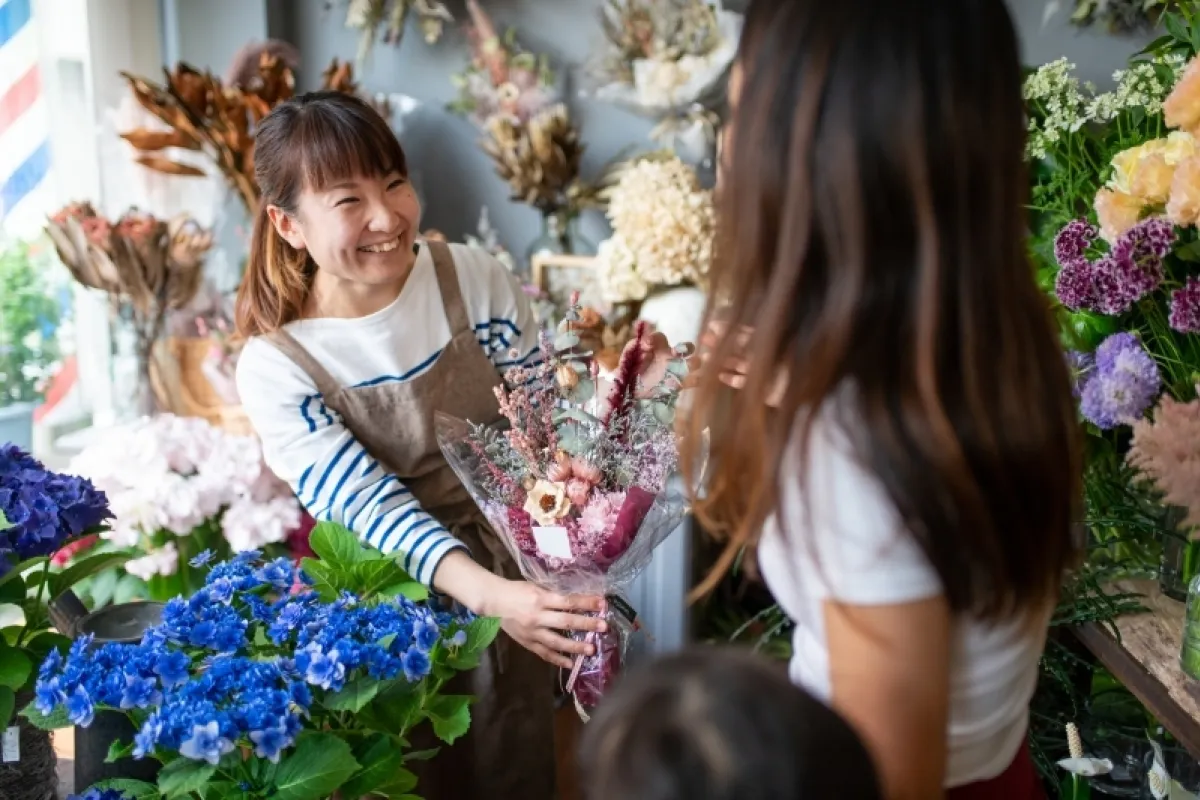
Mrs Taylor rings every March for her daughter's birthday. She likes pink, dislikes lilies and normally spends about £55. A florist who remembers that can help her quickly. A florist who records it can give the same good service when someone else answers the phone.
That's personalisation in a flower shop. It isn't about pretending every email was typed by hand. It's about using what the customer has already told you, at the moment it helps them.
What Florists Already Notice
The useful details are usually gathered during an ordinary order:
- who the flowers are for
- the occasion and its date
- what the customer chose and how much they spent
- stems, colours or styles they prefer
- anything that matters for delivery
Put those details beside the customer's order history. The next person taking their call can see the last bouquet, recipient and address without asking the same questions again. The customer record in Digital Florists Orders keeps that history with the order rather than in a notebook or one person's memory.
Karen Massey owns Fleurtatious in Dublin. In her published case study, she says customers now expect a florist to know the details from previous orders. Keeping the history with the customer record means the answer doesn't depend on who picks up the phone.
Only record what you have a reason to use. A note such as "no lilies" helps with the next bouquet. A stray personal comment probably does not belong in a customer record.
Where the Detail Helps
At the Till or on the Phone
Past orders give staff a useful starting point. "You sent a pink hand-tie to this address last year. Would you like something around the same price?" is quicker and warmer than starting from a blank screen. The till reads the same customer record, so the answer is as good over the counter as it is down the phone.
The history is a prompt, not an instruction. Tastes change. Ask before copying an old order.
Before an Important Date
Birthdays and anniversaries create natural reasons to get in touch. A reminder should name the occasion and arrive with enough time for the customer to order. "Emma's birthday is on 15 March. Would you like us to make something similar to last year's hand-tie?" does a useful job. "Buy flowers now" does not.
Digital Florists Notifications can use customer and order details in messages, so the florist doesn't have to work through the diary one name at a time. Our guide to occasion reminders covers the wording, timing and permission in more detail.
When Choosing What to Send
A wedding client, a weekly office account and someone who orders once a year for Mother's Day don't need the same email. Keep the groups broad enough to manage:
- regular home or office flowers
- birthdays and anniversaries
- weddings and events
- peak occasions such as Valentine's Day and Mother's Day
Four useful groups beat 30 labels nobody keeps up to date.
Weddings and events are the group where a good record matters most, because the enquiry, the quote and the amendments run over months rather than a single phone call. Our guide for wedding and event florists covers how that history stays with the couple.
Personal Messages Still Need a Person
Customers can tell when a message uses their name but ignores everything else. Good personalisation has a reason to exist. It remembers something helpful, makes the next step clear and gives the customer control.
- Say why you are writing.
- Use one or two relevant details, not the full order history.
- Make it easy to change the order rather than assuming they want an exact repeat.
- Include a clear way to stop reminders.
- Treat sympathy orders with particular care.
Permission matters. Tell customers what reminders they are signing up for and keep a record of their choice. If you are unsure which legal basis applies to a campaign, check the current ICO guidance or take professional advice before sending it.
Is It Bringing in Orders?
You don't need a wall of charts. Start with four counts for each reminder or customer group:
- messages sent
- replies or link clicks
- orders placed
- people who opted out
Compare those numbers with your ordinary newsletter. Look at the orders too. A high open rate means little if nobody buys or customers ask you to stop.
Your First Month
Pick one occasion rather than trying to rebuild all your marketing. Ask for birthday or anniversary dates while taking orders. Record the recipient and the customer's permission to be reminded. Then send one small batch and read the replies.
That first batch will show you where the records are untidy and which wording sounds like your shop. Fix those things before adding another occasion. Personal service grows from accurate notes and good judgement, not from sending more messages.
Want to see customer history and reminders working together? Book a demo.
Written by
Digital Florists Team
See it in your shop
Book a demo and we'll walk through Digital Florists with your shop in mind.
After the demo, choose whether and when we set up your 30-day no-card trial.