November 25, 2025
Business GrowthSubscription Flowers: Recurring Revenue for Florists
Subscriptions create predictable revenue and guaranteed sales. Here is how to build a flower subscription service.
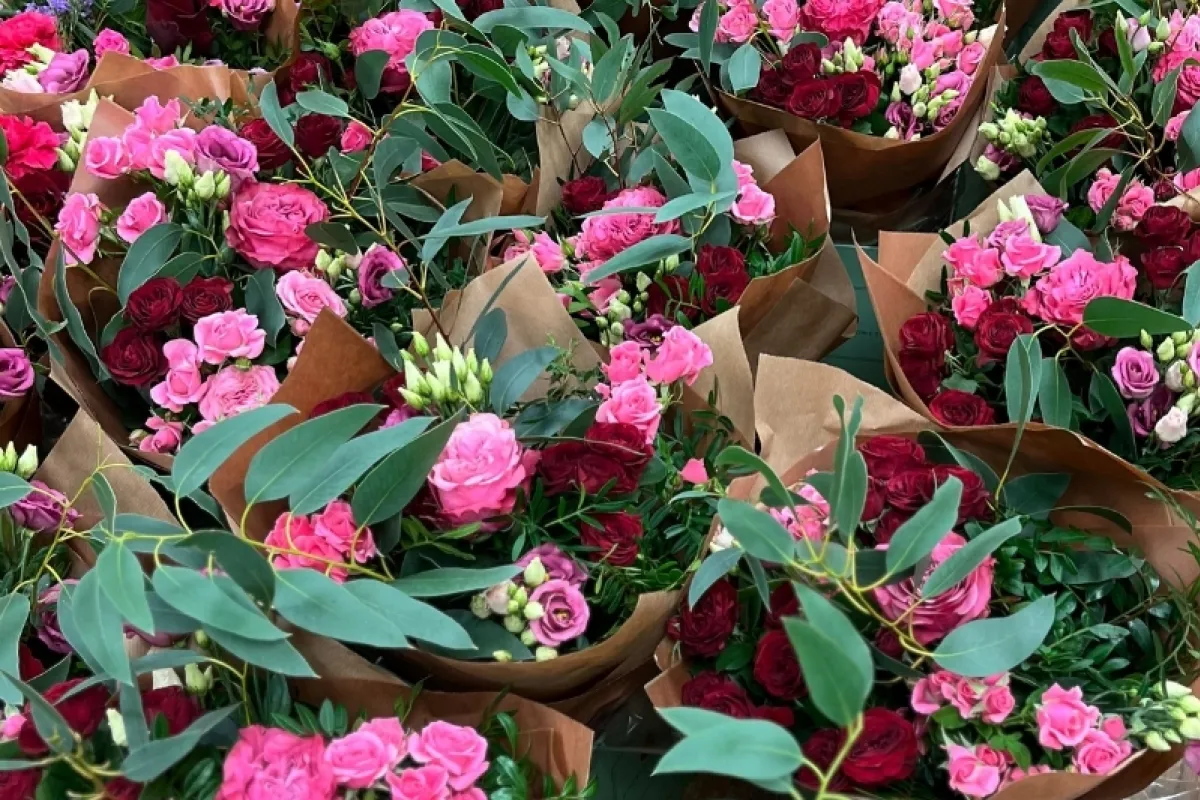
Monday morning, same bouquets go out to the same three offices. A fortnight later, the same residential customers get their fresh stems on the doorstep. Boring? Maybe. But that kind of boring pays the bills.
Most florists live and die by one-off sales. Subscriptions put a floor under your revenue so you're not white-knuckling it through every quiet week. Here's what works if you want to get one running.
Why Subscriptions Work for Florists
Predictable Revenue
Florist income is ridiculous. A dead Tuesday where you're rearranging the shop for something to do, then a manic Friday where you can't make bouquets fast enough. Subscriptions smooth that out. Ten corporate accounts at £50 a week is £500 you can count on regardless of who walks through the door.
That changes everything. Cash flow, staffing, the general Sunday-night dread of wondering what next month looks like.
Guaranteed Sales
These people have already decided. You don't have to convince them each week. They've committed, and that standing order ticks along.
Which means less time selling, more time on quality. And you're not haemorrhaging money on marketing chasing the same revenue over and over.
Use Seasonal Surplus
Every florist knows the feeling. Certain stems are suddenly everywhere and dirt cheap. Subscriptions give you somewhere useful to put all that surplus. The style stays consistent, but which flowers go in? That depends on what's brilliant value this week.
Honestly, customers love this more than you'd expect. Pop in a little note ("This week we've used gorgeous dahlias from a grower just outside Bath") and it feels premium. Not like you're cutting corners at all.
Corporate Opportunity
Offices. They're the golden ticket here. Reception flowers, boardroom arrangements, something nice for the MD's desk. These are needs that already have budget allocated. Win one corporate account and it can tick along for years without you ever needing to resell it.
Types of Subscriptions
Weekly Fresh Flowers (Residential)
Fresh flowers to someone's home, every week. Bloom & Wild made this mainstream and plenty of independents are doing it well now. Sometimes better, because you can deliver locally and the flowers are fresh that day.
Typical price: £25-40 per week
Best for: People who love having flowers around but never quite get round to buying them
Challenge: Delivery logistics, mainly making sure someone's in, or finding a safe spot
Fortnightly or Monthly (Residential)
Not everyone wants flowers every week. Some people find it too much, or too expensive. Fortnightly and monthly options work well here, and you can lean into longer-lasting arrangements or even dried flower mixes to bridge the gap between deliveries.
Typical price: £35-60 per delivery
Best for: Budget-conscious buyers, or anyone testing the waters before committing fully
Challenge: Keeping them engaged between deliveries. Silence is where cancellations breed
Corporate Office Flowers
Regular arrangements for business premises. Receptions, meeting rooms, communal areas, wherever they want greenery and colour.
Typical price: £40-150 per week depending on number and size of arrangements
Best for: Offices, hotels, restaurants, medical practices
Challenge: Access logistics and tight delivery windows. Multiple drop-off points in one building can be a proper faff
Event Venue Partnerships
Wedding venues, event spaces, restaurants that want fresh flowers every week without having to think about it. This is relationship-based work. You become their go-to florist.
Typical price: Negotiated case by case
Best for: Building long-term B2B relationships that throw off referrals
Challenge: Margins. They can get squeezed when it starts feeling like wholesale work with retail expectations
Pricing Your Subscriptions
Calculate Your True Costs
You need to know your numbers properly. Account for everything:
- Flowers and materials
- Design time. Less than a bespoke order, sure, but it's not nothing
- What each delivery costs you per drop
- Vase or container if you're supplying one
- Admin overhead that you're probably underestimating
Then stick your margin on top. Subscription margins can sit a bit lower than one-off work because the volume and predictability have real value in themselves.
Offer Subscription Savings
Give people a reason to commit rather than buying week-to-week. A 10-15% discount versus buying the same arrangement as a one-off usually does the trick. It rewards loyalty and makes the whole thing feel like genuinely good value, not a direct debit they'll resent.
Tiered Options
Three tiers tend to work well:
- Essential: Smaller arrangement, seasonal flowers, around £25/week
- Premium: Bigger arrangement with premium stems, £40/week
- Luxury: Statement piece, exotics, showstoppers, £60+ per week
Customers pick what suits their pocket, and you've built in a natural upgrade path for when they decide they want something bigger.
Prepayment Discounts
Knock a bit more off for anyone paying monthly or quarterly upfront. Better for your cash flow, and here's the thing. Prepaid subscribers almost never cancel mid-period. They've already spent the money in their head.
Logistics and Delivery Scheduling
Fixed Delivery Days
"Your flowers arrive every Monday." That's it. Simple, predictable, far easier to plan than letting everyone choose different days. Group your subscription customers by area and you've got efficient delivery routes built in without trying.
Predictable Production
Knowing exactly how many subscription arrangements you need each week sets up your whole morning. Build those first, then crack on with whatever else has come in. No guessing, no panic.
Access and Timing
For residential subscribers, sort out access on day one. Will someone be home? Is there a safe spot? Can a neighbour take them? Get this nailed down before the first delivery, not after a bunch of failed attempts.
Corporate subscriptions need specific windows and clear instructions. There's nothing more maddening than your driver sitting in a car park because nobody mentioned the side entrance.
Holiday and Absence Handling
People go on holiday. Offices shut over Christmas. Your system needs to handle skipped weeks without anyone having to manually fiddle with it every time, otherwise you'll spend half your week fielding pause requests by text message.
Keeping Subscribers From Cancelling
Lost subscribers. Cancellations. Whatever you call it, it's the thing that quietly kills subscription businesses. Here's how to keep it low.
Deliver Consistent Quality
Nothing else comes close to mattering as much as this.
Every single delivery has to meet expectations. Not most of them. Every one. One disappointing arrangement and that subscriber is googling alternatives before the wilted stems hit the bin.
Communicate Proactively
Tell subscribers what's coming. A quick message ("This week features beautiful English garden roses") builds anticipation and makes people look forward to their delivery. Radio silence? That breeds indifference, and indifference is the step before cancellation.
Handle Problems Immediately
Late delivery? Damaged flowers? Get ahead of it. Fix the problem before the customer has to chase you. That's what stops cancellations. Not discounts, not apologies, but speed.
Offer Flexibility
Life changes. Let people pause, skip a week, swap frequency, without having to cancel the whole thing. A paused subscriber can come back. A cancelled one? Almost never does.
Check In Periodically
Three months in, drop them a message. "Still happy with your arrangements? Anything you'd like us to tweak?" Takes two minutes. Catches problems before they turn into silent cancellations, which are the worst kind because you never find out why.
Marketing Your Subscription Service
Lead With Convenience
Convenience sells subscriptions better than discounts. "Beautiful fresh flowers, delivered automatically, so you never have to think about it." That's your pitch. Don't overcomplicate it.
Target the Right Customers
Subscriptions aren't for everyone. Don't waste energy on people who buy flowers twice a year. Focus on:
- Busy professionals who love flowers but never remember to buy them
- Businesses needing regular arrangements who can't be bothered with the faff of reordering every week
- Your existing regulars, the ones already buying from you frequently who'd probably say yes if you asked
Offer Trials
Lower the barrier. "First month at 50% off" or "Try two weeks on us" gets people through the door. Most people who try a flower subscription end up keeping it. The product sells itself once it's sitting on someone's kitchen table.
Gift Subscriptions
Three months of flower deliveries for Mum. Brilliant gift, that. Push gift subscriptions hard before Mother's Day and Christmas. They convert really well and a decent chunk of recipients convert to paying subscribers afterwards.
Corporate Outreach
Look, this one's old-fashioned and it works. Walk into local offices. Leave a card and a sample arrangement if you can. Follow up a week later. You'd be surprised how many businesses don't have flowers because nobody ever offered. Corporate accounts are won through real conversations, not Instagram ads.
Technology to Manage Subscriptions
Trying to run subscriptions from a spreadsheet gets messy fast. Really fast. You need software that handles:
- Automatic order generation each period
- Scheduled payments, so you're not chasing invoices like it's 2005
- Pause and skip functionality that customers can use themselves
- Integration with your delivery scheduling
- Customer communications
- Proper reporting on subscription revenue, cancellations, and growth
Good florist software has recurring order features baked into its order management that handle most of this without you thinking about it.
So Where Does This Leave You?
Subscriptions turn an unpredictable business into a stable one. Guaranteed orders every week. Revenue you can plan around. Customers who've already decided they're buying from you, not someone else.
Start small. Convert your regulars into formal subscriptions. Approach a handful of local businesses: the solicitors' office, the dental practice, the estate agent with the nice reception. Get the processes right with a manageable number before you scale up.
The florists who'll do well over the next decade will have subscription revenue as their foundation. One-off sales become the bonus on top, not the whole picture.
Ready to add recurring revenue to your business? Book a demo and see how Digital Florists handles recurring orders automatically.
Written by
Digital Florists Team
See it in your shop
Book a demo and we'll walk through Digital Florists with your shop in mind.
After the demo, choose whether and when we set up your 30-day no-card trial.